“Mary, Queen of Scots 1971” is a historical drama that depicts the life of Mary Stuart as she navigates political intrigue and power struggles in sixteenth-century Scotland. Her tumultuous relationships with Elizabeth I and her own husband create tension and betrayal. Ultimately, Mary’s fate as a pawn in a game of thrones leads her to an inevitable tragic end. The movie is a gripping tale of ambition, loyalty, and betrayal set against the backdrop of the Scottish Highlands.
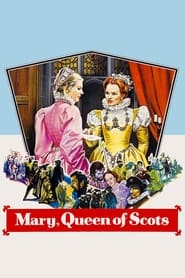
CLICK HERE⭣⭣⭣👉🏼_Watch Mary, Queen of Scots 1971 English Subtitles_
Review
Mary, Queen of Scots: A Royal Drama with Timely Themes
Hey there, wine lovers and movie buffs! Today, I want to talk about a film that combines history, politics, love, and conflict into a gripping story of two powerful women who challenged their male-dominated world. Yes, I’m talking about Mary, Queen of Scots, directed by Josie Rourke and starring Saoirse Ronan and Margot Robbie as the titular queens. Whether you’re familiar with the history of Scotland and England in the late 16th century or not, this movie offers a fresh perspective on timeless issues such as identity, power, betrayal, loyalty, and womanhood. So pour yourself a glass of something tasty and let me take you on a journey through the plot and production of Mary, Queen of Scots.
First off, let’s set the scene. Mary Stuart was born in Scotland in 1542 to royal parents but raised mostly in France as a Catholic princess. She returned to Scotland in 1561 after her husband died and assumed the role of queen at age 18. Meanwhile, her cousin Elizabeth Tudor had become queen of England in 1558 after her half-sister Mary died. Elizabeth was Protestant and unmarried at the time, which made her vulnerable to political rivals who sought to use her marriage or lack thereof for their own advantage. Mary also faced challenges from Scottish lords who resented her French entourage and Catholic faith, as well as from English agents who saw her as a threat to Elizabeth’s rule. The movie explores these tensions through an intimate portrayal of Mary’s inner circle and Elizabeth’s courtiers.
The plot unfolds mostly chronologically but also diverges from history in some significant ways that reflect the creative choices of the filmmakers. For example, Mary meets Elizabeth only once in person in real life but communicates with her through letters throughout most of their reigns; however, the movie shows them having a dramatic confrontation that symbolizes their ideological and emotional divide. Similarly, Mary’s marriage to Lord Darnley is depicted as a passionate love affair that turns sour due to his infidelity and ambition, whereas in reality it was likely more political than romantic. However, the movie also includes many accurate details and events, such as Mary’s imprisonment in Loch Leven Castle after her defeat at the Battle of Langside and her execution at Fotheringhay Castle after being implicated in a plot to overthrow Elizabeth. These scenes are poignant and well-acted, especially by Ronan, whose portrayal of Mary’s resilience, dignity, and vulnerability is impressive.
Speaking of acting and characters, let’s give some credit to the talented cast of Mary, Queen of Scots. Ronan shines as Mary with her piercing eyes, fiery spirit, and Scottish accent that captures both her charm and defiance. Robbie also delivers a nuanced performance as Elizabeth with her subtle gestures, piercing gazes, and English accent that conveys both her regal poise and inner doubts. The chemistry between the two queens is palpable even when they are not in the same room; their rivalry is not only based on religion and politics but also on personal envy and admiration. Other notable performances include Jack Lowden as Lord Darnley (who manages to make the character sympathetic despite his flaws), David Tennant as radical Protestant preacher John Knox (who adds some comic relief amidst the drama), and Guy Pearce as Elizabeth’s advisor William Cecil (who balances his loyalty to his queen with his pragmatism).
But acting alone does not make a great movie; it needs other elements such as score, cinematography, sound design, editing, dialogue, special effects, etc., to enhance its impact. Fortunately, Mary Queen of Scots excels in these aspects too. The score by Max Richter blends classical instruments with electronic synths to create an eerie yet majestic soundscape that reflects the contrast between tradition and innovation, faith and reason, loyalty and betrayal. The cinematography by John Mathieson captures the beauty of Scotland’s landscapes and castles as well as the intimacy of its interiors, using natural light and muted tones to evoke a sense of authenticity and mood. The editing by Chris Dickens keeps the pace brisk without sacrificing clarity or emotion, cutting between parallel scenes that highlight the similarities and differences between Mary and Elizabeth’s lives. The dialogue by Beau Willimon (creator of House of Cards) balances historical accuracy with contemporary relevance, using words that resonate with our current debates on gender equality, religious tolerance, political dissent, and human rights. And the special effects (mostly practical) create some stunning moments such as Mary’s fiery dream sequence or Elizabeth’s pox scars that reveal her vulnerability.
Of course, no movie is perfect, and Mary Queen of Scots has received some criticism from various angles. Some historians have questioned its accuracy or bias towards Mary; some feminists have complained about its portrayal of female rivalry or subordination to men; some conservatives have accused it of promoting Catholicism or multiculturalism at the expense of Protestantism or Englishness. However, these criticisms miss the point that Mary Queen of Scots is not meant to be a documentary or a manifesto but a work of art that interprets history through a contemporary lens. As Rourke has said in interviews, she wanted to explore how two women who should have been allies became enemies despite their common challenges because their societies forced them to choose different paths based on gendered expectations. In this sense, the movie is both faithful to history (in spirit if not in letter) and relevant to our times (in theme if not in detail).
As for its popularity and awards potential, Mary Queen of Scots opened in December 2018 to mixed reviews but solid box office numbers ($48 million worldwide on a $25 million budget). It also received three Oscar nominations for Best Costume Design, Best Makeup and Hairstyling, and Best Production Design, all of which showcase the impeccable craftsmanship that went into recreating the 16th-century looks and settings. Although it did not win any of them, it still deserves recognition for its ambition and execution. Moreover, its impact on the culture goes beyond awards or revenue; it has sparked conversations about women’s history, representation, agency, and leadership that resonate with many audiences worldwide. In a time when women are still fighting for equal rights and opportunities in politics, entertainment, and other fields, Mary Queen of Scots stands as a reminder that their struggles are not new or isolated but part of a long and complex legacy that deserves to be explored and celebrated.
In conclusion, Mary Queen of Scots is a must-see movie for anyone who loves history, drama, or feminism (or wine!). It offers a fresh take on a familiar story by focusing on the human emotions and dilemmas behind the political events. It also showcases some of the best talents in cinema today who are committed to telling stories that matter. So don’t hesitate to watch it with an open mind and heart; you might just discover something inspiring or enlightening about yourself or your world. As Mary says in one of her famous quotes: “I am my own mistress.” Let us all be our own masters/mistresses of our lives and destinies.
Cheers!
Technical Data
- Release : 1971-12-22
- Runtime : 128
- Genre : Drama, History
- Cast : Vanessa Redgrave as Mary, Queen of Scots, Glenda Jackson as Queen Elizabeth, Patrick McGoohan as James Stuart, Timothy Dalton as Henry, Lord Darnley, Nigel Davenport as Lord Bothwell
- Crew : John Barry as Original Music Composer, Terence Marsh as Production Design, Hal B. Wallis as Producer, Sally Nicholl as Casting, Bob Jones as Sound Re-Recording Mixer
- Revenue : 0
- Budget : 0
- Company : Universal Pictures, Hal Wallis Productions
- Popularity : 15.155
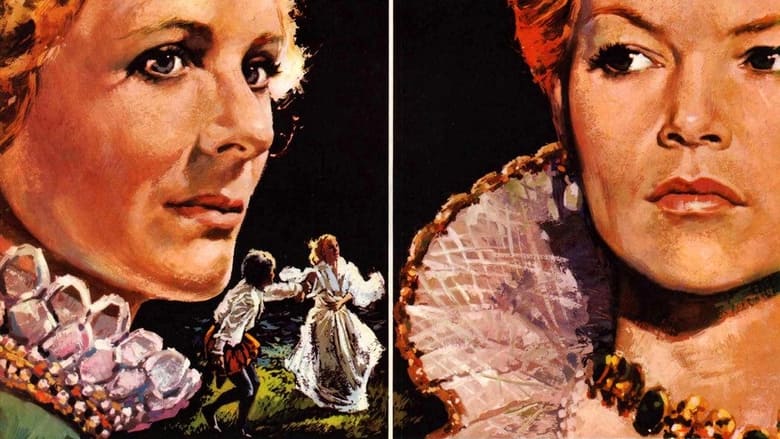
- Summary : Mary Stuart, who was named Queen of Scotland when she was only six days old, is the last Roman Catholic ruler of Scotland. She is imprisoned at the age of 23 by her cousin Elizabeth Tudor, the English Queen and her arch adversary. Nineteen years later the life of Mary is to be ended on the scaffold and with her execution the last threat to Elizabeth’s throne has been removed. The two Queens with their contrasting personalities make a dramatic counterpoint to history.
- Tagline : MARY, QUEEN OF SCOTS, who ruled with the heart of a woman.
