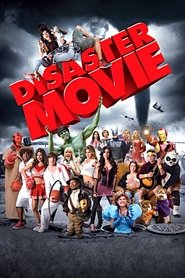
“Disaster Movie 2008” is a chaotic rollercoaster of parody and satire. The film spoofs popular movies, celebrities, and cultural references with rapid-fire jokes and absurd scenarios. From giant asteroids to Alvin and the Chipmunks, nothing is off-limits in this comedic disaster. The characters face countless obstacles and ridiculous situations, making for a wild ride through the world of comedy.
CLICK HERE⭣⭣⭣🎬_Watch Disaster Movie 2008 English Subtitles_
Review
Why We Enjoy Watching Disaster Movies: An Honest Review of “Disaster Movie”
As a behavioral economist who studies human irrationality and decision-making, I’m fascinated by our preferences for certain types of entertainment. Why do we enjoy watching movies that depict catastrophic events, such as natural disasters, alien invasions, or zombie apocalypses? Do these stories reveal something about our anxieties and hopes, or do they simply exploit our primal fears and desires? And how can we evaluate the quality and worth of these movies, beyond their box office success or critical acclaim?
One recent example of a disaster movie that raises these questions is “Disaster Movie”, a parody film released in 2008 by directors Jason Friedberg and Aaron Seltzer. The title itself suggests the self-aware absurdity of the genre, which thrives on exaggeration and clichés. However, the humor and satire of “Disaster Movie” are not universally appreciated, as the film has been widely criticized for its lack of originality, wit, and taste.
In this article, I will explore some aspects of “Disaster Movie” that illustrate both its strengths and weaknesses as a cultural artifact. To do so, I will use some of Dan Ariely’s principles from his book “Predictably Irrational: The Hidden Forces That Shape Our Decisions”. These principles include anchoring (how we get influenced by initial reference points), framing (how we interpret information based on context), relativity (how we compare options), social norms (how we conform to expectations), self-control (how we resist temptation), identity (how we define ourselves through group affiliations), storytelling (how we create narratives to make sense of experiences), and hedonism (how we seek pleasure and avoid pain).
Storyline: Anchoring
The opening scene of “Disaster Movie” sets the tone for the rest of the movie: a woman wakes up in bed with a guy who turns out to be Prince, and then a meteor crashes into their apartment, destroying everything. This scene establishes the absurdity and randomness of the events that will follow, and provides an anchor for our expectations: we know that this movie will not take itself seriously, and that anything can happen.
However, this initial anchor may also create a problem: if we expect the movie to be purely escapist and nonsensical, we may not engage with its characters or themes. We may also underestimate the potential of parody to critique or comment on familiar tropes and archetypes in popular culture.
News: Framing
“Disaster Movie” was released at a time when disaster movies were experiencing a comeback, with films like “The Day After Tomorrow”, “War of the Worlds”, and “Cloverfield” gaining attention and acclaim. However, unlike those movies, which had higher budgets and more realistic effects, “Disaster Movie” relied on low-budget sets and cheesy costumes to create its parodies.
This framing may have affected how audiences perceived the movie’s quality. If they were expecting a serious disaster movie with cutting-edge technology and engaging performances, they might have dismissed “Disaster Movie” as inferior or amateurish. However, if they were aware of the context of parody and satire, they might have appreciated the intentional campiness and silliness of the movie.
Plot: Relativity
The plot of “Disaster Movie” involves a group of young adults who are trying to survive various disasters that happen in rapid succession: earthquakes, tornadoes, fires, floods, meteors, aliens, robots, superheroes. The structure is episodic rather than linear or logical: each scene is loosely connected to the others through running gags or references to other movies or TV shows.
This relative approach to plot may appeal to viewers who enjoy chaotic comedies with no real stakes or consequences. However, it may also frustrate viewers who prefer more coherent and cohesive narratives that build tension and payoff. The lack of character development or emotional investment may also limit the impact of the movie’s jokes or parodies.
Casts: Social Norms
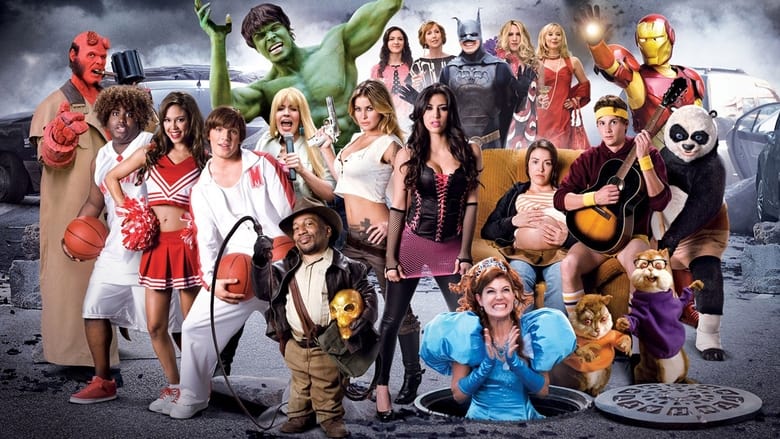
The cast of “Disaster Movie” includes some recognizable actors and actresses, such as Carmen Electra, Kim Kardashian, Matt Lanter, Vanessa Minnillo, and Nicole Parker. However, their performances are mostly caricatures or impersonations of other celebrities or stereotypes. The humor relies on our recognition and familiarity with these public figures, rather than their actual acting skills or personalities.
This social norm of celebrity worship and gossip may resonate with viewers who follow the tabloids or reality TV shows. However, it may also reinforce superficiality and shallowness as desirable traits in entertainment. Furthermore, the reliance on racial, gender, and sexuality stereotypes may offend or alienate some viewers who expect more diversity and sensitivity in comedy.
Acting and Characters: Self-Control
One of the challenges of parody movies is to balance ridicule with affection for their targets. If they are too mean-spirited or lazy in their satire, they risk losing the respect of their audience. If they are too reverential or timid in their humor, they risk becoming irrelevant or boring. “Disaster Movie” tries to walk this tightrope by mixing broad slapstick with subtle references to other movies or TV shows.
However, some of its jokes fall flat due to poor timing, delivery, or relevance. The characters are also not well-defined beyond their appearances and catchphrases: they lack depth or purpose beyond being part of a crazy ride through generic disasters. This lack of self-control in writing or direction may be a result of the rushed production schedule (only three weeks) imposed by the studio.
History: Identity
The disaster movie genre has a rich history that dates back to the 1930s, when movies like “San Francisco”, “In Old Chicago”, and “The Hurricane” capitalized on natural disasters like earthquakes, fires, and storms. These movies often had a patriotic or sentimental tone, as they depicted human resilience and solidarity in the face of adversity.
In the 1970s, disaster movies became more cynical and sensational, as films like “The Towering Inferno”, “Airport”, and “The Poseidon Adventure” showed how technology or human error could lead to catastrophic consequences. These movies also featured big ensemble casts and intricate plot twists that kept audiences on the edge of their seats.
In the 1990s and 2000s, disaster movies blended science fiction with action and horror elements, as technology allowed for more spectacular special effects and stunts. Movies like “Independence Day”, “Twister”, and “Armageddon” appealed to a global audience that was fascinated by the possibility of global destruction or alien invasion.
“Disaster Movie” belongs to a subgenre of parody movies that seeks to mock or celebrate the tropes of disaster movies while poking fun at other pop culture phenomena. However, its identity is not clear beyond being a product of its time: it reflects the postmodern irony of the 2000s that favored pastiche over originality.
Score and Popularity: Hedonism
One way of measuring the merit or appeal of a movie is by its box office earnings or critical reviews. However, these metrics may not always reflect the subjective experience and enjoyment that viewers have while watching the movie. Some people may love a movie despite its flaws or negative reception, while others may hate a movie despite its success or acclaim.
According to Box Office Mojo, “Disaster Movie” grossed $14 million domestically and $35 million worldwide against a budget of $20 million. This suggests that it was not a huge hit or a complete flop financially. However, the movie has a low score of 1.9 out of 10 on IMDb, based on over 85,000 ratings from users. This suggests that it was not well-regarded or even tolerated by most viewers.
Why did some people still enjoy watching “Disaster Movie”, despite its flaws and limitations? Hedonism may offer some explanation: the movie provides easy laughs, gross-out gags, and visual spectacles that stimulate our senses and gratify our desire for entertainment. We don’t have to think too hard or invest too much emotion in the movie, since it doesn’t take itself seriously either.
Filming: Cinematography
The quality of a movie’s cinematography can affect how we perceive its artistry and beauty. A good cinematographer can enhance the mood, tone, and meaning of each scene by using lighting, camera angles, lenses, framing, movement, and color. However, in a parody movie like “Disaster Movie”, the focus is less on cinematography as a form of art than as a tool for mockery or homage.
The cinematography of “Disaster Movie” is mainly functional rather than creative: it shows us what we need to see to understand the jokes or references. The lighting is often bright and flat, the camera angles are mostly static or basic pans and tilts, the lenses are not particularly expressive or subtle, the framing is often centered or symmetrical.
However, there are some exceptions where the cinematography becomes more inventive or interesting: during scenes that spoof specific movies like “The Dark Knight”, “Enchanted”, or “Juno”. These scenes use different visual styles to mimic or contrast with their targets: dark shadows for Batman’s Gotham City, pastel colors for Enchanted’s fairy-tale world, hand-held shaky cam for Juno’s indie vibe.
Evaluation: Opinion
As with any art form or cultural product, evaluating “Disaster Movie” can be a subjective and contentious process. Some people may find it hilarious and clever, while others may find it juvenile and offensive. Some people may appreciate its homage to other movies and TV shows, while others may find it derivative and lazy.
For me, “Disaster Movie” has some redeeming qualities as a parody movie that lampoons the clichés of disaster movies and pop culture. However, these qualities are outweighed by its shortcomings in storytelling, acting, characters, writing, directing, and pacing. The movie relies too much on cheap laughs and gross-out gags that become repetitive and tiresome after a while. The movie also lacks a coherent or convincing message or theme beyond “let’s make fun of everything”.
Scenes: Storytelling
The success or failure of a parody movie often depends on the quality of its individual scenes or bits. If each scene is self-contained but also connected to the overall story or theme of the movie, then the audience can enjoy both the details and the big picture. If some scenes are weaker or irrelevant than others, then the audience may lose interest or patience.
“Disaster Movie” has some scenes that work well as standalone parodies or spoofs of other movies or TV shows. For instance, there’s a scene where Amy Winehouse appears as a zombie who attacks several celebrity lookalikes in a club; there’s another scene where Indiana Jones tries to retrieve his hat from Shia LaBeouf during an earthquake; there’s even a bizarre musical number where two characters sing about their love for Juney (who?) while surrounded by cartoon animals.
However, these scenes don’t add up to more than their individual parts: they don’t create a sense of progression or development in either plot or character arcs. They also don’t provide enough variation or contrast in tone or style: most scenes are either slapstick comedy with exaggerated violence or sexual innuendo, or tongue-in-cheek references to other movies or TV shows.
Gossip: Analysis
One aspect of “Disaster Movie” that may interest some viewers is its use of celebrity gossip and scandals as fodder for jokes and parodies. The movie features several actors and actresses who were popular at the time, such as Carmen Electra, Kim Kardashian, Vanessa Minnillo, and Nicole Parker. It also includes references to current events and cultural trends that were making headlines, such as Hannah Montana, Flavor Flav, Jumper, Iron Man, and Superbad.
This analysis of contemporary culture through parody may provide some insights into our collective consciousness or unconsciousness. We may see how certain ideas or images become viral or pervasive in our media landscape, how we respond to disasters or crises with humor or cynicism, how we use celebrities as proxies for our desires or fears.
However, this analysis may also be superficial or misleading: it may reduce complex issues or people into caricatures or stereotypes, it may trivialize serious problems by making light of them in a comedic context. Furthermore, it may contribute to the perpetuation of gossip and tabloid culture that values sensation over substance.
Soundtracks: Special Effects
Another component of “Disaster Movie” that deserves attention is its use of sound effects and music to create a sense of spectacle and adrenaline. The movie relies heavily on these elements to enhance the impact of its various disasters and stunts. We hear explosions, crashes, screams, alarms, gunfire in high fidelity and surround sound. We also hear pop songs from different decades and genres that reflect the mood or style of each scene.
This approach to special effects can be effective in creating an immersive experience for the audience: we feel like we are part of the action rather than just watching it from afar. However, this approach can also be overwhelming or distracting: too much noise can mask important dialogue or cues, too much music can drown out the emotions or themes of the movie.
Development: Dialogue
The dialogue in “Disaster Movie” is mostly functional rather than memorable. The characters say what they need to say to move the plot along or deliver a punchline. There are some moments of clever wordplay or satire, but they are rare and often overshadowed by crude humor or nonsensical banter.
However, the lack of good dialogue is not solely a fault of the scriptwriters or directors: it may also reflect the limitations of parody as a genre that relies on pre-existing material rather than original ideas. If most of the jokes and references come from other movies or TV shows, then there may not be much room for original characters or dialogues that stand out.
Crews: Criticism
The quality and success of a movie depend not only on its actors and directors but also on its crews: cinematographers, editors, sound designers, production designers, visual effects artists, costume designers, makeup artists, etc. “Disaster Movie” had a relatively large crew for a parody movie (over 100 people), but their efforts are not always evident in the final product.
For instance, the editing in “Disaster Movie” can be choppy and confusing at times, as some scenes feel rushed or incomplete while others linger too long. The sound design can also be uneven, as some effects are too loud while others are too soft. The visual effects are hit-or-miss: some scenes look impressive and seamless (like the robot attack on Batman), while others look cheap and fake (like the giant bird attacking one character).
This criticism is not meant to blame any particular crew member for their shortcomings: making movies is a collaborative effort that requires compromise and adaptation. However, it does point to the challenge of creating quality work under time and budget constraints that may limit creativity and experimentation.
Production: Development
The production of “Disaster Movie” was not without its challenges and controversies. For instance, the movie was originally titled “Hollywood Disaster”, but changed its name after a lawsuit from MGM, which owned the rights to “Disaster!”. The movie also had to deal with a strike by the Screen Actors Guild, which disrupted filming and caused some cast members to drop out or be replaced.
These setbacks may have affected the quality and consistency of the movie, as they forced the crew to rush through some scenes or improvise on others. They may also have affected the marketing and promotion of the movie, as its delay and conflict with other movies may have decreased its exposure or appeal.
Analysis: Creative Economy
The overall value and relevance of “Disaster Movie” can be further evaluated in light of Dan Ariely’s concept of creative economy. This concept argues that creativity is not only a matter of individual inspiration or talent but also a matter of social context, incentives, and institutions. Creativity can be fostered or hindered by factors such as education, peer networks, competition, feedback systems, rewards structures.
In this sense, “Disaster Movie” reflects both the potential and limits of creativity in Hollywood. On one hand, it shows how parody can be a form of creative expression that draws on existing material to create something new and entertaining. It shows how humor can be a powerful tool for critique and commentary on cultural trends or norms. It also shows how low-budget movies can still attract viewers and generate revenue in an industry dominated by blockbusters.
On the other hand, it also shows how creativity can be constrained by commercial pressures that prioritize profit over quality. It shows how parody can sometimes resort to crude humor or lazy references instead of innovative satire or character development. It also shows how parody can sometimes perpetuate harmful stereotypes or reinforce superficial values rather than challenge them.
Conclusion: Lessons Learned
In conclusion, “Disaster Movie” is a flawed but interesting case study of the disaster movie genre and the parody movie subgenre. It illustrates how our expectations, preferences, and biases can influence our evaluation of movies and other cultural products.
Technical Data
- Release : 2008-08-29
- Runtime : 87
- Genre : Comedy, Science Fiction
- Cast : Matt Lanter as Will, Vanessa Lachey as Amy, Gary ‘G. Thang’ Johnson as Calvin, Nicole Parker as Enchanted Princess / Amy Winehouse Look-A-Like / Jessica Simpson Look-A-Like, Crista Flanagan as Juney / Hannah Montana
- Crew : Harry Cohen as Sound Effects Editor, William A. Elliott as Production Design, Daniel A. Lomino as Art Direction, Anna MacKenzie as Supervising Sound Editor, Dino Dimuro as Sound Effects Editor
- Revenue : $14,109,284
- Budget : $25,000,000
- Company : 3 in the Box, Lionsgate, Grosvenor Park Media
- Popularity : 27.485
- Summary : The filmmaking team behind the hits “Scary Movie,” “Date Movie,” “Epic Movie” and “Meet The Spartans” this time puts its unique, inimitable stamp on one of the biggest and most bloated movie genres of all time — the disaster film.
- Tagline : Your favorite movies are going to be destroyed.
