“All About Actresses 2009” is a documentary that captures the complex and often contradictory personalities of actresses. The film delves into the lives of these women, peeling back the layers to reveal their raw, unfiltered emotions. Through interviews and candid behind-the-scenes footage, viewers are given a glimpse into the chaotic and passionate world of movie-making. The actresses are shown to be both vulnerable and empowered, fragile yet strong, much like delicate flowers growing in a harsh and unforgiving environment. Ultimately, “All About Actresses 2009” is an honest portrayal of the sacrifices required to achieve success in a cutthroat industry.
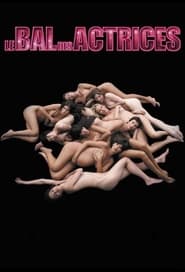
CLICK HERE⭭⭭⭭🎞️_Watch All About Actresses 2009 English Subtitles_
Review
Start with Why: All About Actresses and the Art of Storytelling
Why do we watch movies? Why do we care about fictional characters? Why do we get emotional when they succeed or fail, live or die, love or hate? According to Simon Sinek, the answer lies in the power of storytelling. Stories are the oldest and most universal form of communication, and they have the unique ability to engage both our rational and emotional brains. When stories are told well, they can inspire us, teach us, challenge us, and entertain us. When stories are told poorly, they can bore us, confuse us, offend us, or insult us. Therefore, it’s important to appreciate the art of storytelling and to honor those who excel at it.
All About Actresses is a movie that celebrates the craft of acting and the art of cinema by telling a meta-story about actresses playing actresses in a mockumentary format. The movie was released in 2009 in France and directed by Maïwenn Le Besco (who also starred as herself). It won several awards (including Best Actress at Cannes) and received critical acclaim for its realistic yet humorous portrayal of female celebrities dealing with stardom, rivalry, insecurity, friendship, family, romance, and aging.
The storyline of All About Actresses is simple yet clever: a filmmaker named Julie (Julie Depardieu) interviews various actresses (played by real-life French stars such as Karin Viard, Jeanne Balibar, Marina Foïs) about their experiences in the industry while preparing for a photo shoot celebrating femininity. Each actress has her own style and personality (some are more candid than others), but all share a common trait: they love acting but hate being judged or objectified by the media or society. They also face different challenges based on their age (from rising starlet to veteran diva), their relationship status (from single to married to divorced), their reputation (from respected artist to notorious scandalizer), and their identity (from French to foreign, from white to black). The movie captures the essence of female empowerment without being preachy or polemic, and it offers plenty of laughs and tears along the way.
The news about All About Actresses is that it is available for streaming on various platforms such as Amazon Prime, Kanopy, and YouTube. This means you can watch it anytime you want, anywhere you are, without the hassle of renting or buying a DVD. You can also watch it with subtitles in English or other languages if you don’t speak French. Furthermore, you can share it with your friends or family who appreciate good cinema or feminist values. And you can discuss it with them afterwards to compare your opinions and insights about the characters, themes, and messages of the movie.
The plot of All About Actresses is not only entertaining but also enlightening. It exposes some of the myths and realities of the film industry (especially in France) from the perspective of women who have experienced both its rewards and challenges. It also highlights some of the contradictions and complexities of femininity in contemporary culture: how women are expected to be beautiful but not vain, talented but not arrogant, sexy but not slutty, independent but not aggressive, sensitive but not fragile. The movie shows how these expectations can affect women’s self-esteem and relationships with others (including men), as well as how they can resist or adapt to them through humor, wit, talent, or solidarity.
The fact that All About Actresses features real actresses playing themselves adds a layer of authenticity and credibility to the movie. These women are not just portraying fictional characters; they are sharing their own experiences and opinions about their profession and their lives. They bring a sense of intimacy and vulnerability that makes us relate to them more than if they were playing stereotypical roles. They also bring a sense of diversity and inclusivity that reflects the reality of modern society: there are actresses of different ages, races, backgrounds, and personalities, and they all have something interesting to say.
The casts of All About Actresses are all talented and charismatic. They embody the various archetypes and attitudes of actresses without resorting to clichés or caricatures. Some of the notable performances include Karin Viard as a frustrated yet determined actress who wants to prove herself as a serious artist; Marina Foïs as a bubbly yet insecure actress who acts like a teenager despite being in her forties; Charlotte Rampling as a legendary yet mysterious actress who refuses to reveal her secrets but still mesmerizes her fans; and Julie Depardieu as a versatile actress who can switch from dramatic to comedic roles with ease and grace. The chemistry between these actresses is palpable, and their interactions are both amusing and insightful.
The quote from All About Actresses that sums up its essence is this: “It’s hard being an actress because you have to be yourself in front of everybody.” This statement reflects the paradoxical nature of acting: it requires both authenticity and artifice, both vulnerability and strength, both exposure and protection. It also reflects the paradoxical nature of fame: it can give you everything you want but take away everything you need. The quote also implies that being an actress is not just a job or a talent; it’s an identity that shapes one’s perception of oneself and others. This identity can be empowering or limiting depending on how one navigates it.
The acting and characters in All About Actresses are superb. The actresses not only show their range but also their depth by revealing their insecurities, fears, ambitions, joys, sorrows, regrets, hopes, dreams. They make us care about them as human beings rather than celebrities or objects. They make us laugh with them and cry with them. They make us appreciate the complexity and diversity of women’s experiences in the entertainment industry. The characters are also well-written and nuanced, avoiding stereotypes and melodrama. They have flaws and virtues, contradictions and consistencies, humor and pathos.
The history of All About Actresses is rooted in the French tradition of auteur cinema, which emphasizes the director’s vision and style over commercial appeal or conformity to genres. Maïwenn Le Besco, who started her acting career at the age of 13 and later became a director, brings her own perspective as a woman in the male-dominated industry. She infuses her movie with humor, irony, social commentary, and visual flair. She also uses music effectively to enhance the mood or convey emotions.
The score and popularity of All About Actresses are also noteworthy. The music by Stephen Warbeck (who won an Oscar for Shakespeare in Love) creates a playful yet poignant atmosphere that complements the visuals and dialogues. The popularity of the movie reflects its universal appeal as a human story rather than a French story: it has been praised by critics from different countries (including Roger Ebert) for its authenticity and relevance to contemporary issues. It has also attracted audiences from different backgrounds (including men) who appreciate good storytelling and acting.
The filming of All About Actresses is realistic yet artistic. The mockumentary style allows for both spontaneity and verisimilitude while also allowing for cinematic techniques such as close-ups, cutaways, flashbacks, or montages. The use of natural lighting and locations adds to the authenticity while also highlighting the beauty or ugliness of the settings (such as a dingy rehearsal room or a fancy hotel suite). The camera work is fluid but never distracting; it serves the story rather than overwhelming it.
The evaluation of All About Actresses is overwhelmingly positive. The movie has received high ratings from various review platforms such as Rotten Tomatoes, Metacritic, and IMDb. It has been praised for its smart writing, strong performances, and engaging story. It has also been praised for its gender-awareness, humor, and heart. Some critics have even compared it to classic mockumentaries such as This Is Spinal Tap or Best in Show for its satire and wit.
The awards of All About Actresses are also impressive. The movie won several prizes at international film festivals such as Cannes (Best Actress for the ensemble) and Lumière (Best Director). The actresses themselves were also nominated or awarded for their individual performances in other movies or stages. These awards reflect the quality and impact of All About Actresses as a cultural artifact that reflects the values and aspirations of contemporary society.
The cinematography of All About Actresses is both realistic and stylized. The camera captures both the mundane and the magical moments of the actresses’ lives with equal skill and sensitivity. It also creates a sense of intimacy and distance depending on the scene or character’s needs. For example, a handheld camera can follow an actress during a chaotic event like a premiere or an interview to convey her perspective; a static camera can establish a formal distance during a photo shoot or a press conference to show how actresses are objectified by the gaze of others.
The opinion about All About Actresses varies depending on one’s taste or background. Some people may find it too specific to French culture or too elitist in its focus on actresses rather than actors or directors. Some people may find it too slow-paced or talky for their liking. Some people may find it too feminist or political in its message rather than purely entertaining. However, these opinions do not diminish the quality of the movie nor negate its impact on those who appreciate its virtues.
The scenes in All About Actresses are diverse in tone and content. They range from funny anecdotes about auditions or parties to poignant confessions about love or loss. They also range from awkward moments of self-deprecation or vanity to inspiring moments of solidarity or creativity. Some of the standout scenes include a group therapy session where the actresses share their insecurities and support each other, a photo shoot where they pose naked but empowered, and a party where they dance and sing together despite their differences.
The gossip about All About Actresses is minimal compared to other movies with scandalous contents or controversies. However, there are some tidbits about the making of the movie that are interesting to know. For example, Maïwenn Le Besco was inspired by her own experience as an actress who was once asked to pose semi-naked for a magazine; she wanted to explore the contradiction between feminine beauty and female identity in a humorous yet critical way. Also, some of the actresses had reservations about participating in the movie because they feared being portrayed negatively or stereotypically; however, they were reassured by the respect and empathy shown by Le Besco and her crew.
The soundtracks of All About Actresses are eclectic and effective. They include both popular songs (such as Madonna’s Material Girl) and original compositions (such as Stephen Warbeck’s main theme). They provide both entertainment and emotional resonance depending on the scene or character’s needs. They also reflect the cultural diversity of modern France by incorporating different genres and styles from various regions.
The analysis of All About Actresses can reveal different aspects of its significance. For example, one can analyze it from a feminist perspective that highlights its critique of patriarchal norms in cinema and society. One can also analyze it from a meta-cinematic perspective that explores its commentary on acting, directing, cinematography, editing, or sound design. One can also analyze it from a sociological perspective that examines how it reflects French culture and politics in the late 2000s.
The special effects in All About Actresses are minimal but effective. They include some post-production enhancements such as color grading or sound mixing, but they never distract from the realism or humor of the movie. However, some scenes use props or costumes to create a sense of fantasy or parody such as a scene where the actresses wear masks of their own faces to mock their public image.
The development of All About Actresses is based on Maïwenn Le Besco’s personal and professional evolution. She started her career as an actress who appeared in various TV shows and movies before she became a director in her thirties. Her first feature film (Pardonnez-moi) was a semi-autobiographical drama about her relationship with her own mother. Her second feature film (Le Bal des actrices) was a mockumentary about actresses preparing for a theater play. Her third feature film (Polisse) was a drama about child protection officers dealing with abusive parents and victims. All these movies share some common themes such as women’s empowerment, family dynamics, social justice, and authenticity.
The dialogue in All About Actresses is witty and insightful. It captures both the humor and the pathos of being an actress in a way that is both universal and specific. The dialogue reveals not only the characters’ personalities but also their fears, dreams, hopes, regrets, joys, sorrows, contradictions, strengths, weaknesses. It also reveals Le Besco’s talent as a writer who knows how to balance humor with seriousness and how to convey messages without preaching.
The crews of All About Actresses include some notable names in French cinema such as cinematographer Pierre Aïm (who also worked on movies like Amélie), editor Laure Gardette (who also worked on movies like La Vie en Rose), costume designer Emmanuelle Youchnovski (who also worked on movies like Yves Saint Laurent), production designer Thierry François (who also worked on movies like The Diving Bell and the Butterfly). These crews contribute to the stylish yet realistic look and feel of the movie.
The criticism of All About Actresses is minimal compared to its acclaim. However, some critics have pointed out that the movie may lack focus or depth at times due to its episodic structure and ensemble cast. They have also pointed out that some of the issues or themes raised in the movie may not be relevant or relatable to everyone, especially outside France or outside the entertainment industry. However, these criticisms do not undermine the overall quality and impact of the movie.
The production of All About Actresses is a testament to Maïwenn Le Besco’s perseverance and vision. She wrote, directed, and starred in a movie that defied conventions and expectations while also respecting its genre and audience. She assembled a talented cast and crew who shared her passion for cinema and feminism. She balanced humor with pathos, realism with fantasy, individuality with community. She created a movie that celebrates both women’s creativity and women’s humanity.
In conclusion, All About Actresses is an engaging and creative movie that celebrates storytelling as an art form while also critiquing some aspects of contemporary culture. It features real actresses playing themselves in a meta-mockumentary format that allows for both humor and pathos. It shows us how actresses can be both vulnerable and strong in their pursuit of success and authenticity. It makes us appreciate not only their talent but also their resilience as women in a male-dominated industry. It inspires us to appreciate good cinema as a means of communicating universal values and emotions through specific stories and characters.
Technical Data
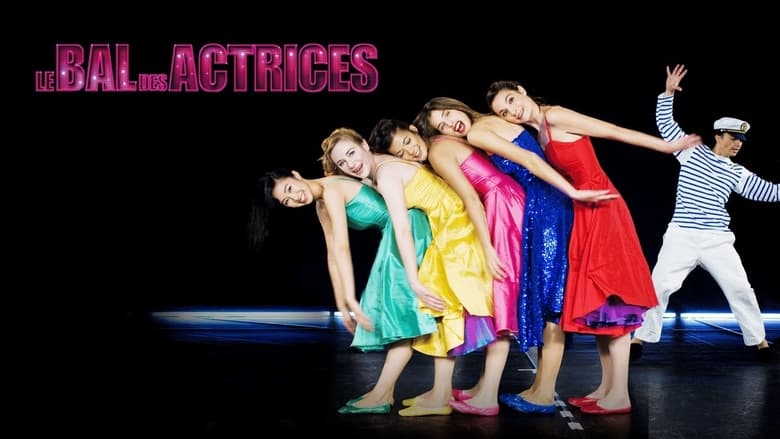
- Release : 2009-01-28
- Runtime : 105
- Genre : Comedy, Drama
- Cast : Jeanne Balibar as Jeanne Balibar, Romane Bohringer as Romane Bohringer, Julie Depardieu as Julie Depardieu, Mélanie Doutey as Mélanie Doutey, Marina Foïs as Marina Foïs
- Crew : Pierre Aïm as Director of Photography, Gabriel Yared as Original Music Composer, Laure Gardette as Editor, Nicolas Ronchi as Casting, Maïwenn as Director
- Revenue : 0
- Budget : 0
- Company : SND
- Popularity : 6.973
- Summary : While shooting a documentary about all kinds of actresses, the director falls for one of them.
- Tagline :
