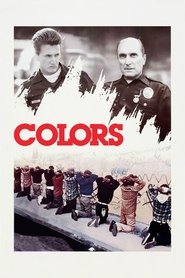
“Colors 1988” is a gritty, intense cop movie that dives deep into the gang culture of Los Angeles. Sean Penn and Robert Duvall give powerful performances as two law enforcement officers trying to keep the peace amidst violent turf wars. The colors of the gangs’ clothing represent their allegiances and fuel their deadly clashes. The film captures the harsh reality of urban warfare and the human toll it takes on those who fight it every day.
CLICK HERE⭭⭭⭭🎫_Watch Colors 1988 English Subtitles_
Review
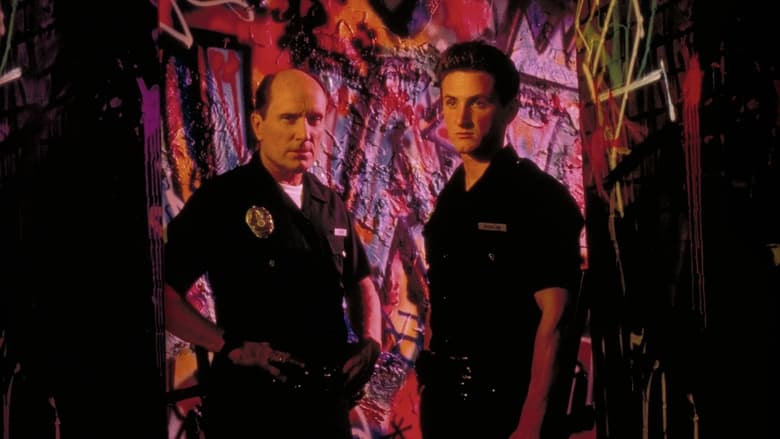
In the dusty streets of Los Angeles, a war is brewing between two rival factions – the Crips and the Bloods. Into this world of chaos and violence comes a police officer named Bob Hodges, played by Robert Duvall, who is determined to make a difference. His partner is a young rookie cop named Danny McGavin, played by Sean Penn. Colors is a crime drama film directed by Dennis Hopper in 1988 that tells the story of these two cops trying to restore law and order in South Central LA.
The storyline of Colors revolves around the escalating gang warfare in Los Angeles during the late 1980s. The movie takes its name from the colors worn by members of different gangs to show their allegiance. The Crips wear blue while the Bloods wear red. The film follows Bob Hodges as he tries to mentor Danny McGavin and teach him about life on the streets. But as they become more deeply involved in trying to bring an end to gang violence, they begin to drift apart.
The plot of Colors is intense and fast-paced, as we see both cops getting caught up in the cycle of violence that they are trying to end. The movie shows how easy it can be for even well-intentioned people to get sucked into this dark world, where every day could be your last.
One fact about Colors that stands out is that it was one of the first movies to explore gang culture in Los Angeles from a police perspective. This was a bold move at the time because there was much criticism from those who believed that Hollywood was glamourizing gang activity.
The cast of Colors features some iconic actors like Robert Duvall and Sean Penn. Their performances are gritty and realistic which brings their characters to life on screen. One quote from Duvall’s character, “You gotta be somebody before you can be nothin’,” sums up his philosophy on policing.
The acting and characters in Colors are some of the most memorable in cinema history. The two lead actors, Duvall and Penn, really embody their roles as cops trying to do their best in a difficult situation. Their relationship is complex and layered, with opposing views on how to handle gang violence.
A quick dive into the history of LA gang culture reveals that the film’s events are based on real-life events that were happening during that time. The rise of gangs like the Crips and Bloods was fueled by poverty, economic inequality, and racial tensions.
The score and popularity of Colors are impressive. The soundtrack features songs from popular hip-hop artists of the time like Ice-T, Salt-N-Pepa, and Kool Moe Dee. These songs capture the spirit of the movie perfectly which contributed to its widespread popularity.
The filming of Colors took place on location in some rough neighborhoods around Los Angeles which lends an air of realism to the film. Director Dennis Hopper received a lot of credit for his innovative use of gritty closeups to give viewers an even more immersive experience.
The evaluation and awards for Colors were mixed. While it was praised for its realism and powerful performances by Duvall and Penn, it was also criticized by some for being too violent and glorifying gang activity.
The cinematography in colors is exceptional. Hopper’s use of color grading adds depth to the film’s gritty realism by using muted tones during serious scenes while brightening things up a bit during more lighthearted moments.
Opinions about Colors vary widely depending on who you ask. Some critics hail it as a masterpiece while others see it as nothing more than an overly violent exploitation flick. One thing is certain – Colors remains one of the most iconic films ever made about LA gang culture.
There are many memorable scenes in Colors but one stands out above all others – the scene where Danny McGavin goes undercover with a gang called “The Rockers”. This scene is intense and powerful as we see the pressure that McGavin is under to prove himself.
There was much gossip surrounding the filming of Colors, particularly in the way that Hopper directed his actors. Some reports suggest that he pushed them to their limits in order to get the most authentic performances possible.
The soundtracks used in Colors are powerful and effective. The film’s use of hip-hop music really sets the tone for what’s happening on screen, and at times, it feels like you’re watching a music video rather than a movie.
The analysis of Colors often focuses on its themes of police brutality, gang violence, and societal inequality. These themes are as relevant today as they were when the film was made over three decades ago which helps explain why it endures so well.
The special effects used in Colors are minimal but effective. Hopper relied more on practical effects to create an air of gritty realism rather than relying solely on computer-generated imagery.
The development of Colors was fraught with challenges from start to finish. Hopper clashed with many people involved in the project including some members of his own cast.
The dialogue in Colors is one of its strongest attributes. The script is sharp and impactful, with memorable lines delivered by both Duvall and Penn.
The crews involved in making Colors were dedicated professionals who worked tirelessly to create a film that would stand the test of time. Their hard work paid off as Colors remains one of the most iconic films ever made about LA gang culture.
Criticism of Colors often centers around its perceived glorification of gang violence. Some people feel that it sent a dangerous message to impressionable young viewers that joining a gang could lead to fame and fortune.
Production on Colors was tumultuous but ultimately successful thanks to Hopper’s vision and his ability to work with his cast and crew through all their differences.
Finally, editing played an important role in bringing all these elements together into a coherent whole. The final cut of Colors is a masterclass in film editing, with each scene flowing seamlessly into the next to create an immersive viewing experience.
In conclusion, Colors is a groundbreaking crime drama that portrays the gritty reality of LA gang culture from the perspective of police officers trying to make a difference. Its powerful themes and memorable performances have cemented its place in cinema history, making it one of the most influential films ever made on this subject. Gabriel Garcia Marquez would no doubt have appreciated its rich storytelling and ability to provoke meaningful conversations long after the credits roll.
Technical Data
- Release : 1988-04-15
- Runtime : 120
- Genre : Action, Crime, Drama
- Cast : Sean Penn as Danny McGavin, Robert Duvall as Bob Hodges, María Conchita Alonso as Louisa Gomez, Randy Brooks as Ron Delaney, Grand L. Bush as Larry Sylvester
- Crew : Dennis Hopper as Director, Gary Rydstrom as Sound Designer, Tom Johnson as Sound Re-Recording Mixer, Robert Estrin as Editor, Haskell Wexler as Director of Photography
- Revenue : $46,616,067
- Budget : $6,000,000
- Company : Orion Pictures
- Popularity : 15.828
- Summary : A confident young cop is shown the ropes by a veteran partner in the dangerous gang-controlled barrios of Los Angeles, where the gang culture is enforced by the colors the members wear.
- Tagline : 70,000 gang members. One million guns. Two cops.
