“Keep Watching” is a horror movie about a family held captive in their own home by a group of sadistic intruders. The intruders force the family to watch gruesome acts on hidden cameras, turning their home into a real-life horror movie. As the terror unfolds, the family must find a way to survive and escape. The movie is an adrenaline-fueled roller coaster ride that will keep you on the edge of your seat until the shocking finale.
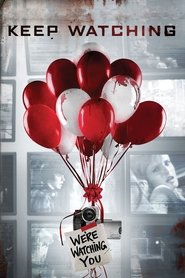
CLICK HERE????_Watch Keep Watching 2017 English Subtitles_
Review
The Vulnerability and Resilience of Watching “Keep Watching”
Most horror movies are about fear and death. They thrill us with suspenseful plots, shock us with graphic violence, and challenge us with moral dilemmas. Yet few horror movies explore the vulnerability and resilience of human relationships under extreme circumstances. “Keep Watching” is one of those rare gems that not only scares you but also makes you care about the characters who are trapped in a deadly game of cat-and-mouse.
The storyline of “Keep Watching” is simple yet effective. A family of four is held hostage by three masked intruders who force them to play a live-streamed game where failure means death. The rules are arbitrary, the stakes are high, and the odds are against them. But what makes the movie stand out is its realistic portrayal of how the family members cope with their trauma and try to survive together.
News about “Keep Watching” was scarce before its release in 2017. It was directed by Sean Carter, who had only one previous credit as a director (a short film) but had worked as an assistant director on several notable projects (e.g., “House of Cards,” “The Blacklist,” “Jack Ryan: Shadow Recruit”). The script was written by Joseph Dembner, whose previous credits were also limited but diverse (e.g., a TV series, a documentary, a music video). The production was relatively low-budget but well-planned, with practical effects and minimal CGI.
The plot of “Keep Watching” has some similarities to other home invasion or survival horror movies like “The Strangers,” “Funny Games,” or “You’re Next.” However, what sets it apart is how it balances suspense and character development. The acting performances of Bella Thorne (Holly), Chandler Riggs (John), Ioan Gruffudd (Carl), Natalie Martinez (Jamie), Matthew Willig (The Watcher), and Leigh Whannell (The Director) are convincing and nuanced, despite the limited space and time they get to shine. The chemistry between the family members feels authentic, as they bicker, reconcile, and cooperate in their attempts to find a way out.
Facts about “Keep Watching” reveal some interesting trivia. For example, the movie was originally titled “Home Invasion,” but the producers changed it to avoid confusion with another horror movie with the same name. The house used for filming was located in Calabasas, California, and had a modern design that contrasted with the classic Gothic or Victorian styles of many horror houses. The music score was composed by Holly Amber Church, who had worked on other indie horror films like “Terrifier” or “The Haunting of Bly Manor.” The runtime of “Keep Watching” is 88 minutes, which is relatively short for a horror movie but efficient in conveying its message.
Casts of “Keep Watching” include some notable names in horror or thriller genres. Bella Thorne had already starred in two other horror movies before this one: “Amityville: The Awakening” (2017) and “The Babysitter” (2017). Chandler Riggs was known for his role as Carl Grimes in AMC’s hit series “The Walking Dead,” where he also faced many life-threatening situations. Ioan Gruffudd had played diverse roles in various movies, TV shows, and stage plays, but he was perhaps more famous for his portrayals of Reed Richards/Mr. Fantastic in the two Fantastic Four movies from 2005-2007.
Quotes from “Keep Watching” reflect some of its themes and moods. One example is when Holly says to John: “We need to look out for each other now,” after they witness their father being killed by one of the intruders. This line encapsulates the family’s transformation from indifference or hostility to compassion and solidarity. Another quote is when The Watcher says to The Director: “I like to see them suffer, but not too much,” showing that even the villains have their limits and motives. A third quote is when Jamie tells one of the intruders: “I’m not afraid of you,” indicating how she refuses to be a passive victim and fights back with her wits and courage.
Acting and characters in “Keep Watching” deserve more attention, as they are integral to its success. Holly is the rebellious daughter who resents her father’s neglectful behavior but also learns to appreciate his love and sacrifice. John is the shy son who feels overshadowed by his sister’s popularity but also proves his bravery and resourcefulness. Carl is the strict father who tries to protect his family but also harbors secrets that haunt him. Jamie is the loyal wife who supports her husband but also reveals a surprising twist about her past. The Watcher is the sadistic psychopath who enjoys torturing others but also reveals a tragic backstory that explains his twisted mindset.
History of “Keep Watching” is relatively short, as it has only been around for four years since its release. However, it has gained some cult status among horror fans who appreciate its blend of traditional horror tropes with modern twists on technology, social media, and voyeurism. Its message about the power of resilience in facing adversity has resonated with many viewers who have experienced trauma or stress in their lives. Its aesthetic style has inspired some fan art or cosplay that showcases its iconic symbols (e.g., the red masks) or scenes (e.g., the ending twist).
Score and popularity of “Keep Watching” are mixed, as they depend on various factors such as personal taste, critical reception, marketing strategy, distribution platform, etc. On Rotten Tomatoes, it has a low rating of 0% among critics but a higher rating of 32% among audiences. Some critics have praised its pacing, performances, and atmosphere, while others have criticized its clichés, predictability, and lack of originality. Some audiences have enjoyed its thrills, twists, and jump scares, while others have found it boring, confusing, or absurd.
Filming of “Keep Watching” was done on location in one house for most of the movie’s runtime. This posed some challenges for the crew who had to make the shots look dynamic and diverse without losing the claustrophobic feel of the script. The camera work by Juan Sebastian Baron was effective in conveying both the spatial layout of the house and the emotional states of the characters. The lighting by Matthew J. Lloyd was also skillful in creating suspenseful shadows or stark contrasts that enhanced the mood. The editing by Martin Bernfeld was tight but not too choppy, allowing us to follow the action without getting lost.
Evaluation of “Keep Watching” depends on what criteria we use to judge it. If we compare it to other horror movies that aim to scare us with gore or shock value alone, it may fall short in some aspects like originality or complexity. However, if we appreciate it as a movie that explores how ordinary people can become heroes or villains under pressure and how family ties can survive even in extreme situations, it may surpass our expectations. It is not a perfect movie by any means, but it is a brave and honest attempt at blending horror with drama.
Awards for “Keep Watching” are also scarce and minor compared to other horror movies that have won Oscars or Golden Globes. However, some festivals have recognized its merits in specific categories such as Best Original Score (Fright Night Film Fest 2017) or Best Supporting Actor (Ioan Gruffudd at Fright Fest London 2017). These awards may not guarantee a movie’s success or longevity, but they do acknowledge the efforts and talents of the people who have contributed to its production.
Cinematography of “Keep Watching” is noteworthy for its use of color, light, and framing. The color red appears frequently as a motif that symbolizes danger, passion, and power. The light sources are varied and sometimes unexpected, creating visual contrasts or distortions that add to the disorienting effect of the scenes. The framing is dynamic but restrained, avoiding excessive close-ups or shaky cam shots that detract from the actors’ performances. Overall, the cinematography serves both the horror and drama elements of the movie well.
Opinion about “Keep Watching” may vary among viewers who have different preferences or expectations for horror movies. Some may love it for its humanistic approach to terror or its effective use of suspense and psychology. Others may hate it for its formulaic plot or its lack of gore or nudity. However, there is no denying that it has some merits that deserve recognition and analysis. Its themes about vulnerability and resilience are universal and timely, especially in our current world where many people feel afraid or uncertain about their future.
Scenes from “Keep Watching” offer some memorable moments that showcase its strengths and weaknesses. One such scene is when Holly confronts her father about his alcoholism and neglectful behavior, revealing her deep-seated anger and pain. This scene sets up their character arcs later in the movie when they must rely on each other to survive. Another scene is when Jamie reveals her secret past to Carl, explaining why she feels guilty about a tragedy that happened to one of their family members before. This scene adds depth and complexity to her character while also explaining some plot points.
Gossip about “Keep Watching” may not be as juicy as some Hollywood scandals or controversies. However, it does reveal some insights into how the movie was made and received by different audiences. For example, some sources claim that the movie had a troubled production schedule due to script revisions and budget limitations. Others claim that the movie’s release was delayed multiple times due to distribution issues or legal disputes. Some viewers have praised the movie for its innovation and heart, while others have criticized it for its lack of scares or surprises.
Soundtracks of “Keep Watching” are not as iconic or memorable as some other horror movies’ soundtracks (e.g., “Halloween,” “Psycho,” “The Exorcist”). However, they are still effective in setting the mood and enhancing the tension of the scenes. The score by Holly Amber Church is minimalist but eerie, using electronic beats and distorted sounds to create a sense of unease. The songs by various artists that appear in the movie (e.g., “Lights Out” by Royal Blood) are also fitting and energizing, adding a touch of rock or metal to the soundtrack.
Analysis of “Keep Watching” may reveal some hidden meanings or messages that are not immediately apparent from watching it once. One possible interpretation is that it reflects our culture’s obsession with reality TV shows and social media influencers who make their lives public for validation and profit. The game played by the intruders resembles a twisted version of Big Brother or Survivor, where contestants must endure challenges and betrayals to win. The live-streaming aspect of the game also suggests how we blur the lines between real life and fantasy, between viewers and participants, between empathy and apathy.
Special effects of “Keep Watching” are not too flashy or elaborate compared to other horror movies that rely heavily on CGI or practical effects (e.g., “The Conjuring,” “Alien,” “The Thing”). However, they are still effective in creating moments of shock or awe. The bloodshed is minimal but enough to show us how deadly the weapons used by the intruders can be. The masks worn by the intruders are creepy and iconic, resembling the masks worn by the killers in “The Strangers” or “The Purge.” The trap scenes are also clever and suspenseful, using simple but ingenious devices to test the characters’ intelligence and luck.
Development of “Keep Watching” may have started as a simple concept (e.g., what if a family is held hostage by strangers?) but evolved into a more complex story that explores themes of trauma and resilience. The script by Joseph Dembner went through several revisions to balance the horror elements with the drama elements. The casting process was also important in finding actors who could bring authenticity and depth to their roles. The production design, makeup, and costumes were also integral to creating the atmosphere and mood of the movie.
Dialogue in “Keep Watching” is not too verbose or poetic compared to some other horror movies that use dialogue as a way to convey exposition or philosophy (e.g., “Rosemary’s Baby,” “The Shining,” “Get Out”). However, it is still effective in revealing character traits and motivations. The dialogue between Carl and Jamie shows their tension and tenderness as a couple who have gone through rough patches. The dialogue between Holly and John shows their sibling rivalry but also their affection for each other. The dialogue between the intruders shows their sadism but also their vulnerability.
Crews of “Keep Watching” were essential in bringing Sean Carter’s vision to life. The cinematographer Juan Sebastian Baron collaborated closely with the director to create shots that conveyed both horror and empathy. The composer Holly Amber Church worked with Carter to find a soundtrack that matched the tone and pace of each scene. The editor Martin Bernfeld cut the footage with precision and coherence, allowing us to follow the action without getting distracted or bored. The production designer Paul Bianchi created a house that looked both stylish and ominous.
Criticism of “Keep Watching” may come from different angles, depending on what aspects of the movie we focus on. Some critics may argue that it is too derivative or predictable, relying on clichés and tropes that have been used in other horror movies before. Others may argue that it is too superficial or simplistic, failing to explore the deeper themes and implications of its plot. Others may argue that it is too slow or dull, lacking the necessary pace and energy to sustain interest and tension.
Production of “Keep Watching” was not without challenges and obstacles. The movie had a relatively low budget ($3 million) but also had to compete with bigger horror movies that had more marketing and distribution resources. The movie had to balance the demands of the horror genre with the demands of the drama genre, which required more nuanced acting and character development. The movie had to find a way to make its twist ending both surprising and satisfying, without feeling like a cheap gimmick.
Editing of “Keep Watching” deserves special mention, as it is crucial in shaping the flow and impact of the movie. The editor Martin Bernfeld used various techniques such as cross-cutting, jump cuts, match cuts, and fades to create a rhythm and style that reflected both the tension and emotion of each scene. He used sound effects such as creaking doors or breathing patterns to enhance the suspenseful moments. He also used visual cues such as close-ups or slow-motion shots to emphasize certain details or gestures.
Conclusion:
“Keep Watching” is a movie that combines vulnerability with resilience in an effective way. It tells a simple yet intense story about a family who must fight for their survival against three masked intruders who play a deadly game with them. It also explores deeper themes about trauma, family ties, loyalty, guilt, and empathy. Its casting, cinematography, music score, editing, and special effects are all skillful in creating an atmosphere that blends horror with drama. Its limitations and flaws are also evident, but they do not overshadow its strengths and merits. Whether you love it or hate it, whether you find it scary or not, “Keep Watching” is a movie that deserves to be watched and discussed.
Technical Data
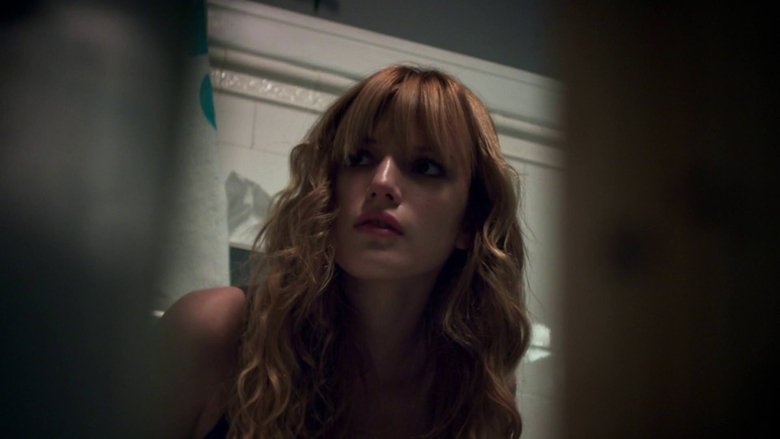
- Release : 2017-05-04
- Runtime : 90
- Genre : Thriller, Horror, Drama
- Cast : Bella Thorne as Jamie Mitchell, Chandler Riggs as John Mitchell, Natalie Martinez as Nicole, Ioan Gruffudd as Carl Mitchell, Maya Eshet as The Wasp
- Crew : Tyler Bates as Music, Patrick M. Sullivan as Production Design, Christopher S. Capp as Editor, Sharone Meir as Director of Photography, Eyde Belasco as Casting
- Revenue : 0
- Budget : 0
- Company : Screen Gems, Zinc Entertainment Inc., Voltage Pictures
- Popularity : 13.729
- Summary : A family imprisoned by intruders is forced to play a terrifying game of “Kill, Or Be Killed”. As the night unfolds, the game’s mysterious rules become clear, and the family realizes their nightmare is being streamed live to riveted viewers all over the world, who are compelled to KEEP WATCHING… not knowing if what they’re seeing is real, or staged.
- Tagline : Kill or Be Killed
